Whether you’re a seasoned stitcher or just starting out, understanding the terminology can make all the difference in your crafting journey.
In this post, we’ll unravel the meaning behind common cross-stitch terms, helping you navigate your projects with confidence and creativity. So, grab your floss and let’s dive into the charming language of cross-stitch!

Aida Cloth: A popular fabric for cross-stitching with a regular grid of holes for easy counting and stitching.
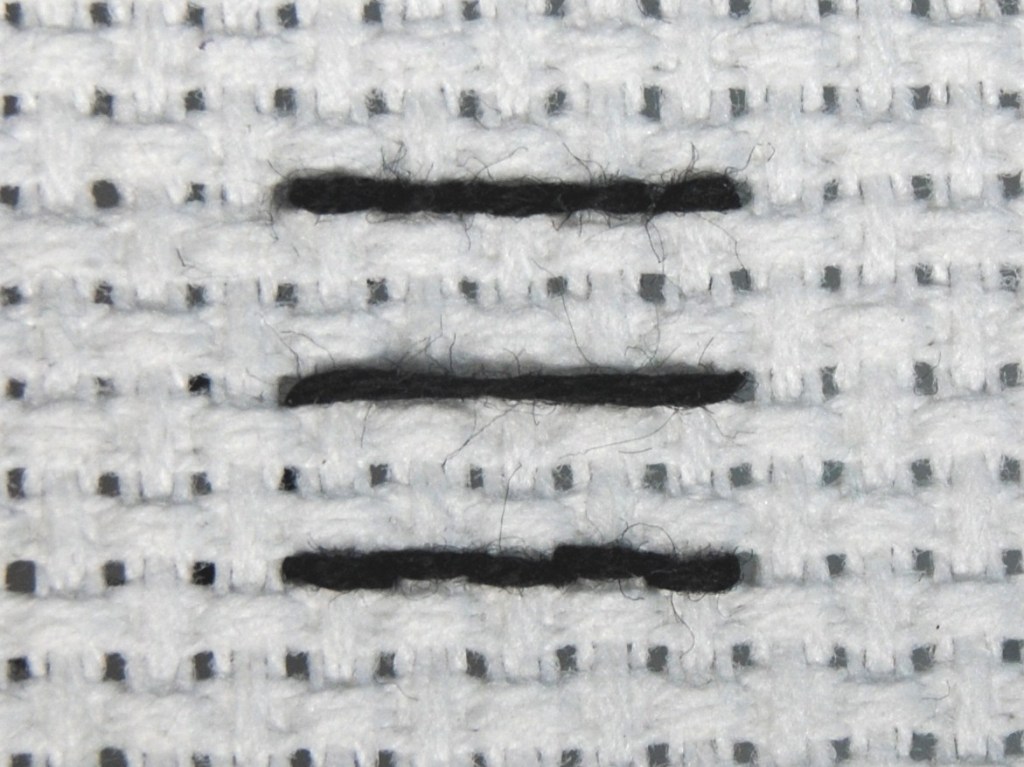
Backstitch: A basic embroidery stitch used to outline shapes and create fine details.

Blending Filament: A thin, metallic thread used alongside regular floss to add sparkle to your project.
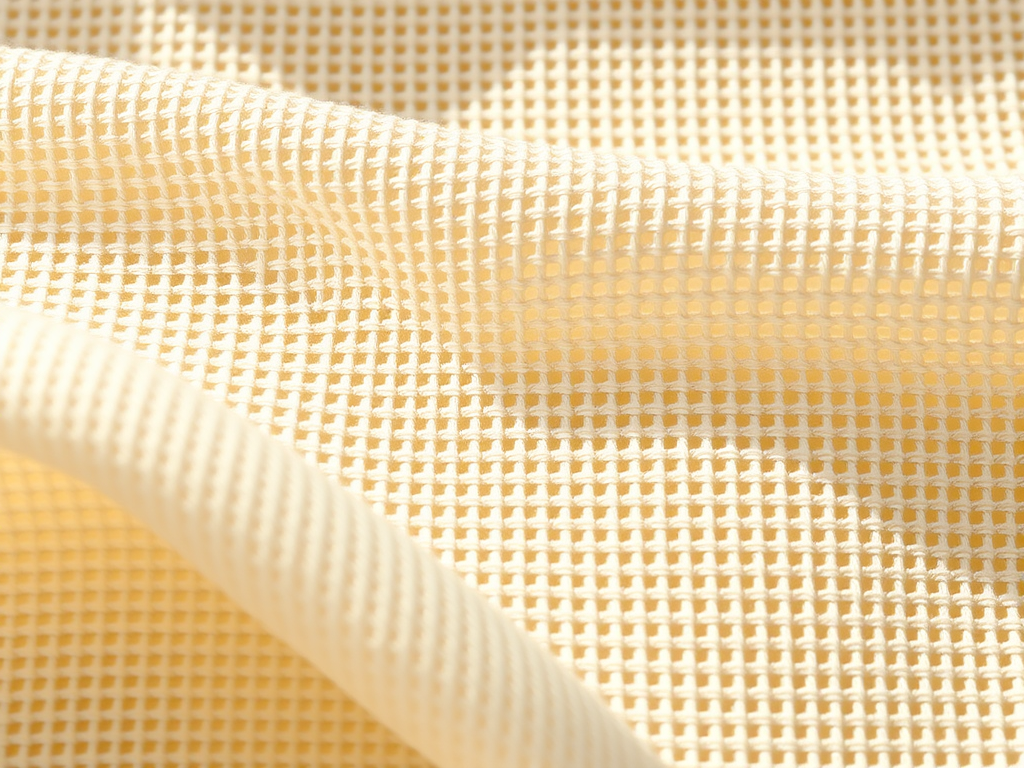
Count: The number of threads or holes per inch in a fabric; it determines the fabric’s fineness.
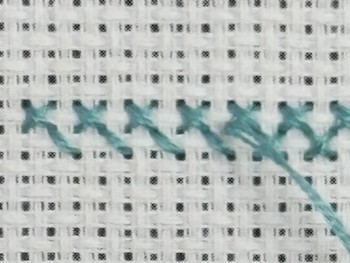
Cross-Stitch: The main stitch in this craft; it’s formed by making two diagonal stitches that cross each other.
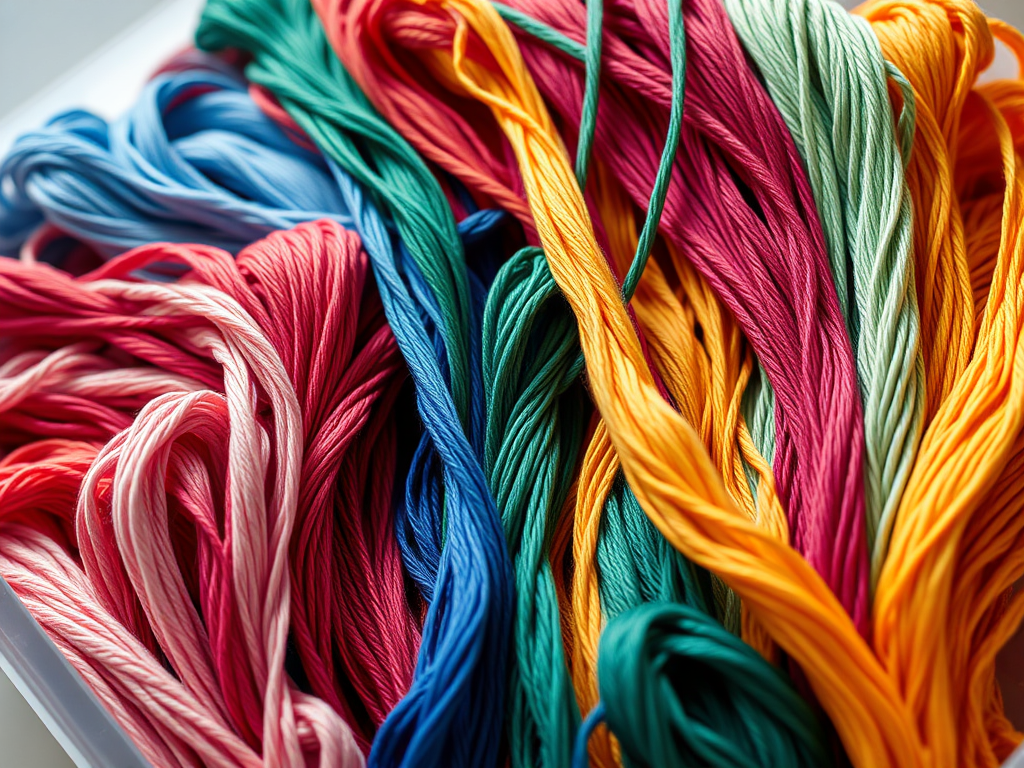
Embroidery Floss: The type of thread typically used for cross-stitching, which usually consists of six strands that can be separated.

Evenweave: A type of fabric with evenly spaced threads, often used for more advanced cross-stitch projects.
Fractional Stitches: Stitches that cover less than a full square, such as quarter or half stitches, used for fine detail.
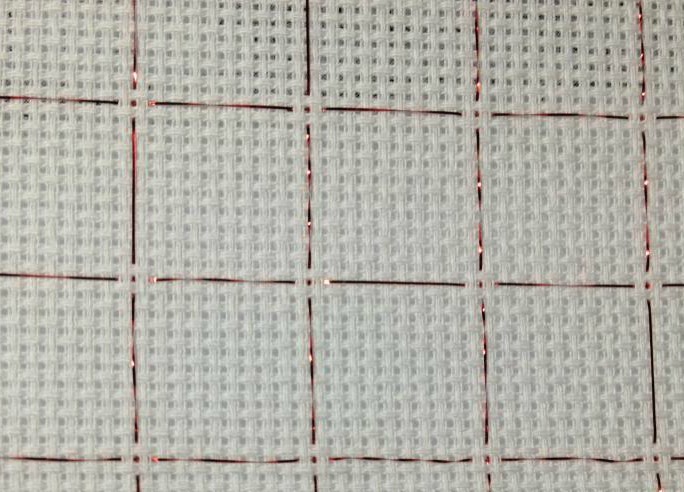
Gridding: Marking the fabric with a grid to help with stitch placement and counting.
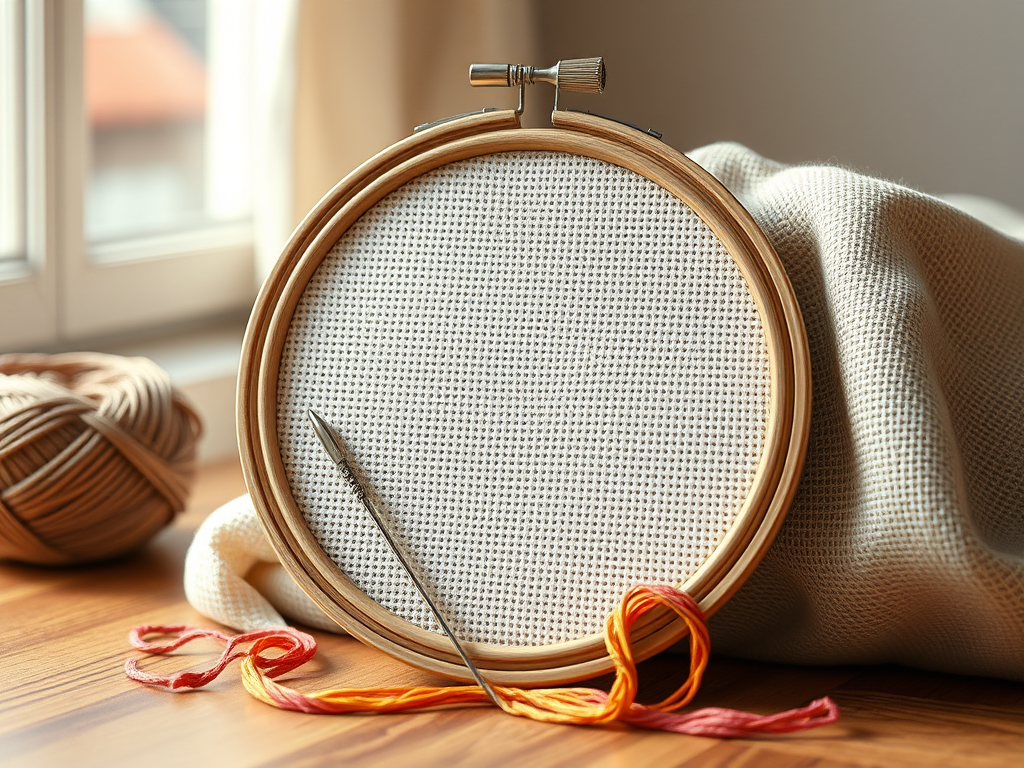
Hoop: A round frame that holds the fabric taut while stitching.
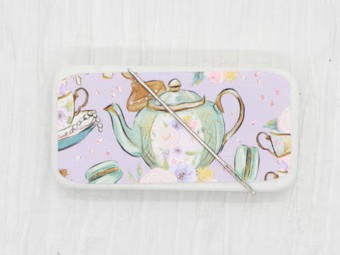
Needle Minder: A small magnetic tool used to keep your needle in place when not in use.

Overdyed Floss: Hand-dyed embroidery floss that has a variegated color effect, adding depth to your stitches.

Parking: A technique for managing multiple threads on a project by ‘parking’ them in place for later use.
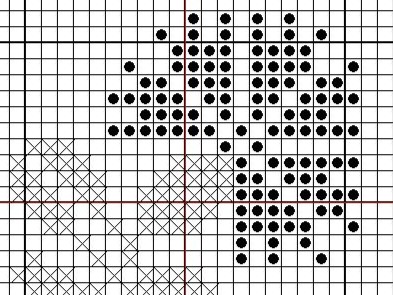
Pattern: The design or chart that you follow to create your cross-stitch project.

Pin Stitch: A small, secure stitch used to start or end a thread without a visible knot.
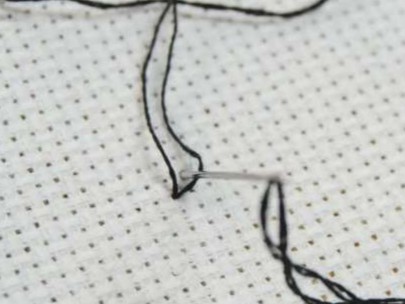
Railroading: A technique for laying floss smoothly to prevent twisting and ensure even stitches.
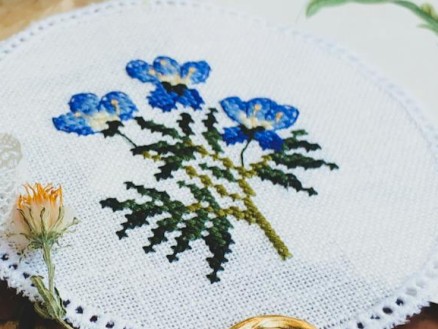
Sampler: A piece of cross-stitch work that showcases different stitches, patterns, or motifs, often used as practice.
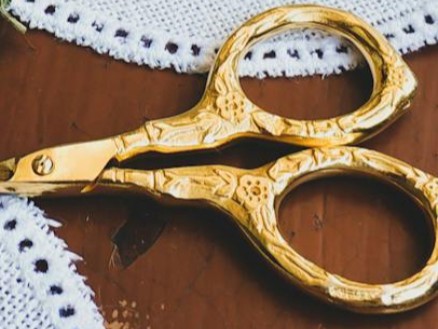
Scissors: Small, sharp scissors used to cut threads precisely.

Stash: The collection of cross-stitch supplies one accumulates over time.
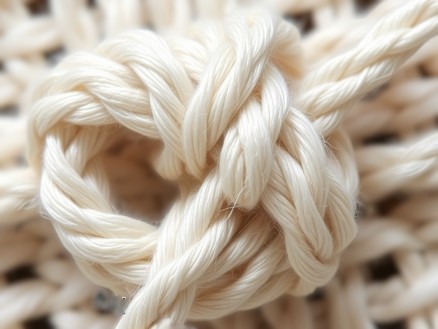
Waste Knot: A temporary knot used to secure a thread while stitching, later removed.
Understanding these terms will not only enhance your stitching skills but also deepen your appreciation for the artistry involved.
Stay tuned as we delve further into each of these terms in future posts. Offering detailed explanations, tips, and techniques to elevate your cross-stitching experience.
Happy stitching!
 Stitching Moments
Leave a comment